A PTO clutch is the engagement mechanism that connects and disconnects the tractor engine from the PTO output stub. When the PTO clutch is engaged, engine power flows to the PTO stub and the connected shaft begins to rotate. When disengaged, the PTO stub stops while the tractor engine continues running. The PTO clutch is what allows an operator to stop the implement without stopping the tractor engine or moving the tractor.
PTO clutches come in three designs: independent mechanical dry-plate clutches, independent hydraulically-actuated wet clutches, and non-independent (transmission-dependent) clutches. Each design has different engagement characteristics, maintenance requirements, and failure modes.
Design 1: Independent Mechanical Dry-Plate Clutch
Older tractors and some current entry-level models use a separate dry-plate clutch for PTO engagement. This clutch operates independently of the main transmission clutch — meaning the operator can stop the tractor’s ground drive while keeping the PTO engaged, or vice versa. The clutch plate is actuated by a lever or pedal, creating mechanical friction between the engine flywheel and the PTO input shaft.
Dry-plate PTO clutches require periodic adjustment as the friction material wears, and they engage with a characteristic jolt — the sudden load application when the clutch plates make contact. This engagement jolt is hard on both the PTO shaft and the implement gearbox. A shear bolt torque limiter absorbs the worst of the engagement spike, protecting both components.
Signs of Dry-Plate PTO Clutch Wear
- ✓PTO shaft speed drops under load (clutch slipping)
- ✓Difficulty engaging — lever requires excessive force
- ✓Burning smell when PTO is loaded — friction material overheating
- ✓PTO engages violently — clutch adjustment too tight or worn unevenly
Design 2: Independent Hydraulic Wet Clutch
Most current mid-range and high-power tractors use a hydraulically-actuated multi-disc wet clutch for PTO engagement. The clutch pack runs submerged in transmission oil. Engagement is controlled by hydraulic pressure routed through a solenoid valve activated by the PTO switch in the cab. The controlled pressure rise gives a smooth, progressive engagement — much gentler on the driveline than the mechanical dry-plate design.
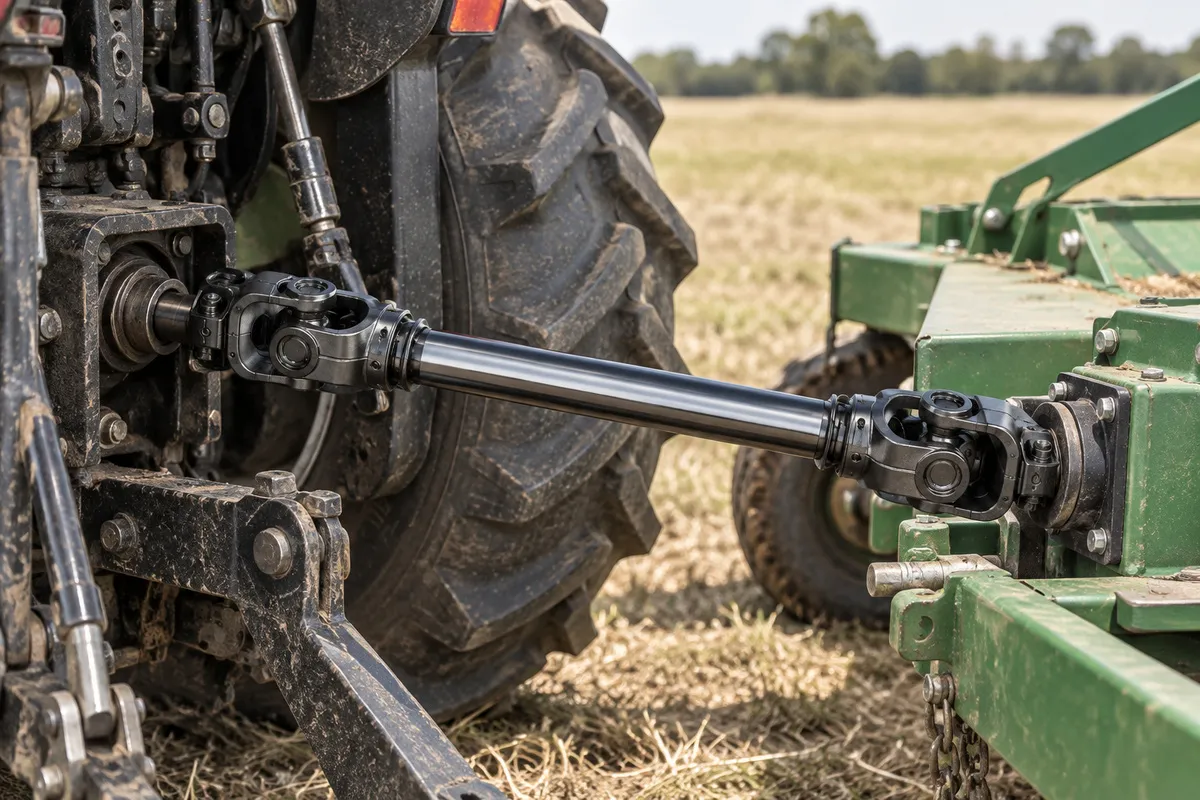
Hydraulic PTO clutches engage smoothly under electronic control. The engagement rate is adjustable on some tractor models.
Hydraulic wet clutch PTO systems can fail through oil contamination (incorrect oil specification — using GL-5 gear oil instead of UTTO destroys the brass clutch pack components), pressure loss in the hydraulic circuit (faulty solenoid valve or hydraulic pump), or mechanical wear of the friction discs after very high operating hours.
Design 3: Non-Independent (Transmission-Dependent) PTO
Older tractors and some compact models use a transmission-dependent PTO — the PTO output is mechanically linked to the transmission, so the PTO only turns when the tractor is moving. This design is now uncommon in agricultural use because it prevents stationary implement operation, but it remains in use on some ground-speed-dependent implements such as seeder drives where implement speed must track ground speed.
The Relationship Between PTO Clutch and PTO Shaft
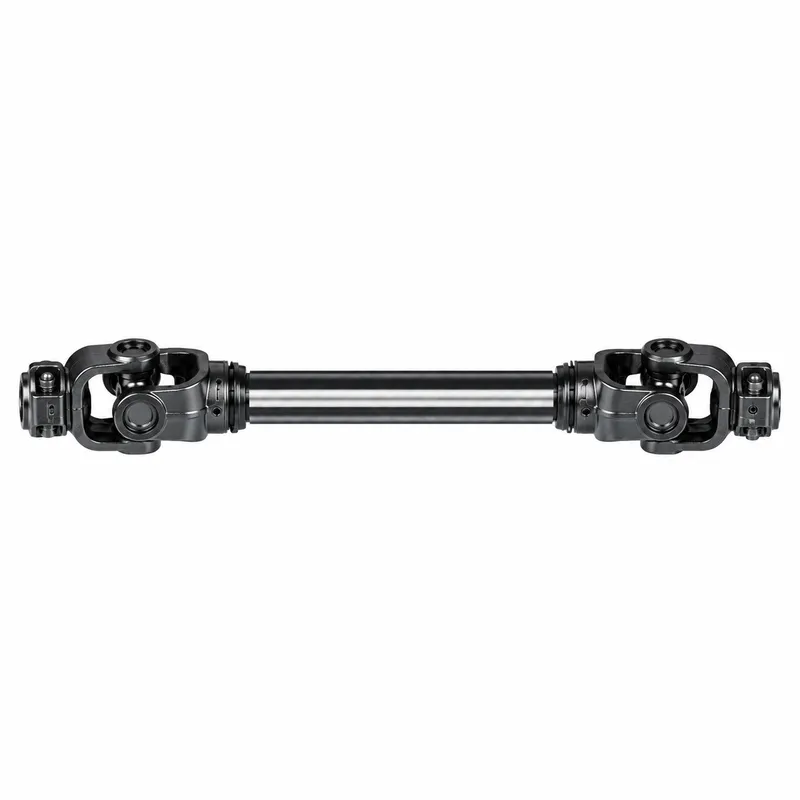
The PTO clutch is a tractor component; the PTO shaft is the separate driveshaft that connects the tractor to the implement. A smooth-engaging PTO clutch reduces shock loads on the PTO shaft cross-kit bearings at the moment of engagement. A violent-engaging clutch produces a torque spike at engagement that can fracture yoke bodies or displace cross-kit bearing cups. Fitting a shear bolt torque limiter protects the shaft from engagement spikes regardless of clutch type.
Never Engage PTO Under Load
Always engage the PTO with the implement unloaded — mower blades clear of vegetation, baler pick-up raised. Engaging under load multiplies the engagement torque spike and accelerates both clutch and shaft wear.
Protect Your PTO Shaft from Clutch Engagement Spikes
Shear bolt torque limiters for all T Series and L Series spline configurations. Set below shaft peak torque for full protection.
Tags
PTO clutch how it worksPTO clutch typeshydraulic PTO clutchindependent PTO clutchPTO engagement